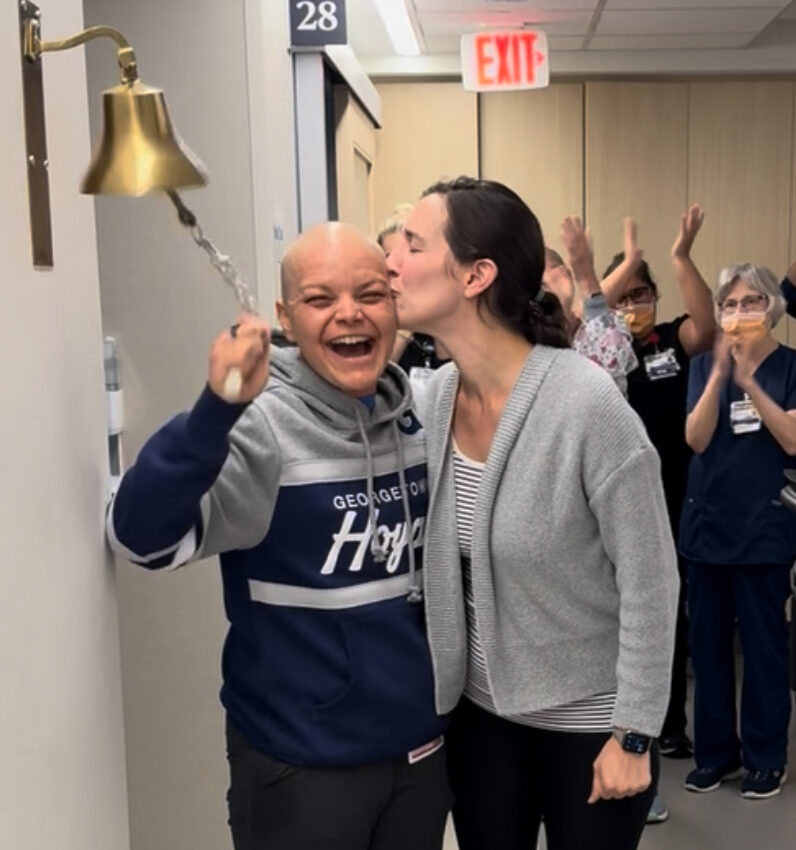
Entering its second year, the Mitchell BellRinger Oncology Research Fellowship Program, named in honor of Georgetown University School of Medicine Dean Emeritus Stephen Ray Mitchell, MD, recognizes his extraordinary contributions to advancing medical student research during his tenure as Dean for Medical Education at Georgetown. Established in 2024 with support from the family of Elena and Barney Byrd, the program is now additionally funded by Dr. Mitchell and his wife, Ellen, after being deeply moved by the recognition.
The BellRinger Fellowship is more than a summer research opportunity for students — it’s a commitment to progress. All Fellows work alongside leading investigators at Georgetown Lombardi Comprehensive Cancer Center, contributing to the advancement of cancer research that holds the potential to transform care, improve outcomes, and save lives. As we continue to build a movement powered by science and community, these students represent the future we’re fighting for.
We are proud to introduce the 2025 BellRinger Fellows. Each of these exceptional medical students is undertaking a unique research project focused on better understanding, diagnosing, and treating cancer. Learn more about their work below, and stay tuned for in-depth features on each of them at the conclusion of their fellowship!
Meet the Fellows

Jonathan Gagnon (M’28)
Mentor: Dr. Barry Hudson
Research Area: Breast Cancer
Jonathan is investigating the potential synergistic effects of combining RAGE (receptor for advanced glycation end products) inhibitors with conventional chemotherapeutic agents using cell-based models of cancer. Ultimately, his goal is to assess whether using RAGE inhibitors alongside chemotherapy might be a viable treatment option for patients with triple negative breast cancer.
Maeen Arslan (M’28)
Mentor: Dr. Earl Harley
Research Area: Oropharyngeal Cancer
Maeen is conducting data analysis on survival outcomes for both Native Americans and White Americans diagnosed with oropharyngeal cancer using the SEER database. Through this work, she aims to evaluate and better understand the disparities that may exist between these two groups.
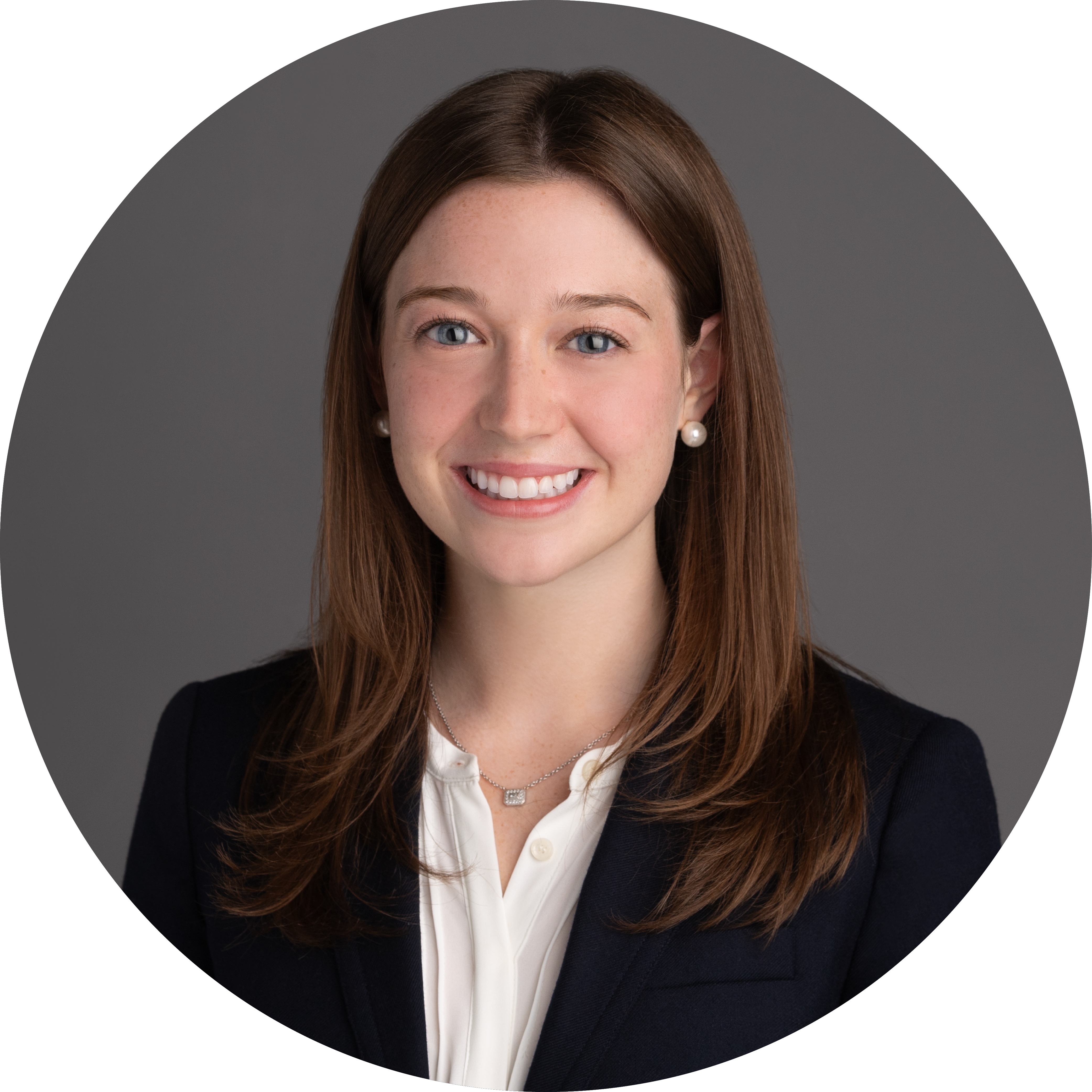
 Meg McCall (M’28)
Mentor: Dr. Joyce Slingerland
Research Area: Breast Cancer
Meg is studying the relationship between obesity and breast cancer oncogenesis in post-menopausal women. Her research seeks to uncover biological pathways that may link excess body weight to the development of breast cancer, potentially informing prevention and treatment strategies.
Tiffany Tian (M’28)
Mentor: Dr. Samir Gupta
Research Area: Immuno-Oncology
Tiffany is developing machine learning models to predict the occurrence of immune-related adverse events associated with the use of immunotherapy treatments. Her project leverages an Immuno-Oncology data repository developed at Georgetown Lombardi.

Catherine Van Dongen (M’32)
Mentor: Dr. Joyce Slingerland
Research Area: Breast Cancer
During the fellowship, Catherine is investigating the roles of P27 in cell cycle regulation and cell proliferation, and how these roles change during the development of breast cancer.
Abigail Shuman (M’28)
Mentors: Dr. Sonia de Assis and Dr. Joanna Kitlinska
Research Area: Neuroblastoma
Abigail will investigate how stress experienced by fathers before conception may impact placental development in their offspring and increase the risk of neuroblastoma, a rare pediatric cancer. Her research focuses on how changes in the placenta could affect oxygen levels during development, potentially disrupting the growth of nerve cells linked to this disease.